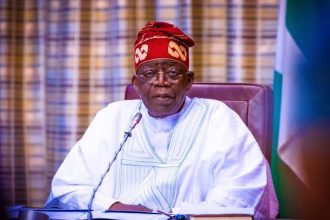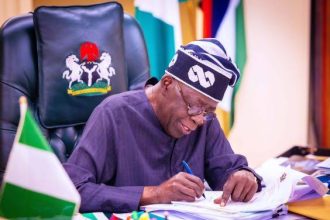

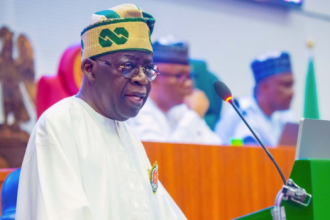

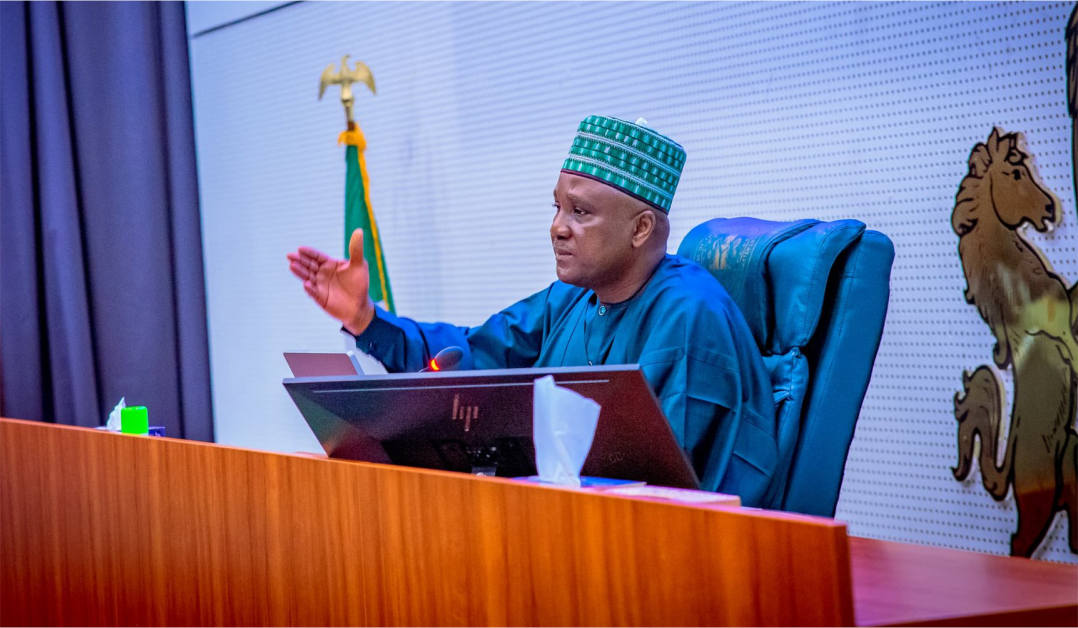
The Speaker of the House of Representatives, Hon. Abbas Tajudeen, has expressed strong support for President Bola Ahmed Tinubu’s borrowing strategy, calling it a crucial instrument for driving sustainable economic growth and reducing poverty across Nigeria. This article offers a detailed analysis of the Speaker’s endorsement, the country’s debt context, risks, and recommendations going forward.
The Speaker’s Statement
Speaking after the closed meeting, the Speaker said the Green Chamber will continue to support President Tinubu’s effort to raise funds for “critical infrastructure and social development programmes.”
“We must understand that borrowing is not inherently bad. What matters is how we use the funds. The House of Representatives stands firmly behind President Bola Ahmed Tinubu’s borrowing strategy because it is indispensable for our national development and poverty reduction efforts,” the Speaker said.
Nigeria’s Debt Profile: Context & Concerns
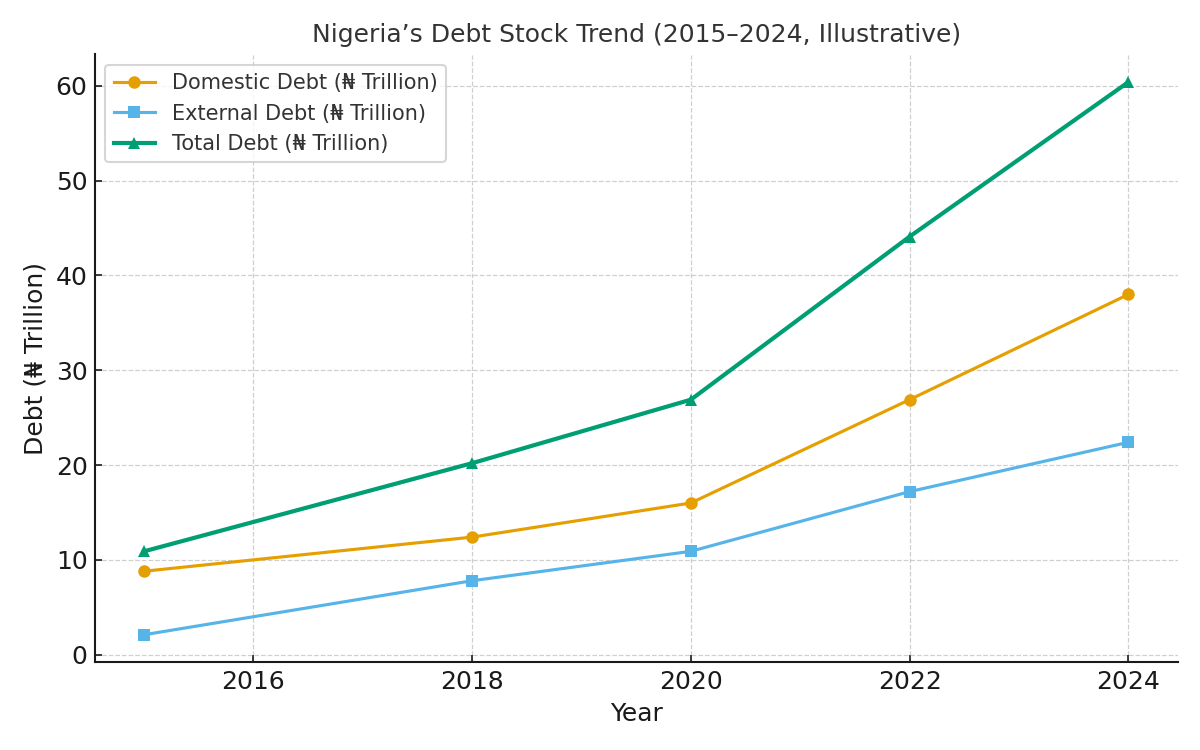
Nigeria’s total debt stock has grown sharply over the last decade, consisting of domestic and external borrowings. The increase has triggered conversations about debt servicing pressures, fiscal space, and the need for transparent, productive use of loan proceeds.
Table: Nigeria’s Debt Stock (selected years; illustrative)
| Year | Domestic Debt (₦ Trillion) | External Debt (₦ Trillion) | Total Debt (₦ Trillion) | % of GDP (approx.) |
|---|---|---|---|---|
| 2015 | 8.8 | 2.1 | 10.9 | 13% |
| 2018 | 12.4 | 7.8 | 20.2 | 19% |
| 2020 | 16.0 | 10.9 | 26.9 | 25% |
| 2022 | 26.9 | 17.2 | 44.1 | 30% |
| 2024* | 38.0 | 22.4 | 60.4 | 34% |
Projection/illustrative. Source: Debt Management Office (DMO) projections and public fiscal summaries.
Why Tajudeen Supports Tinubu’s Borrowing
The Speaker’s endorsement rests on three core arguments:
- Infrastructure financing: Nigeria faces a multi-trillion-naira infrastructure gap; roads, energy, ports, and rail that constrains growth.
- Poverty reduction and social investment: Borrowed funds targeted to health, education and social programmes can alleviate poverty and improve human capital.
- Economic multiplier effects: Well-directed capital can stimulate industry, create jobs and expand tax bases over time.
The Economics of Borrowing; Is All Debt Bad?
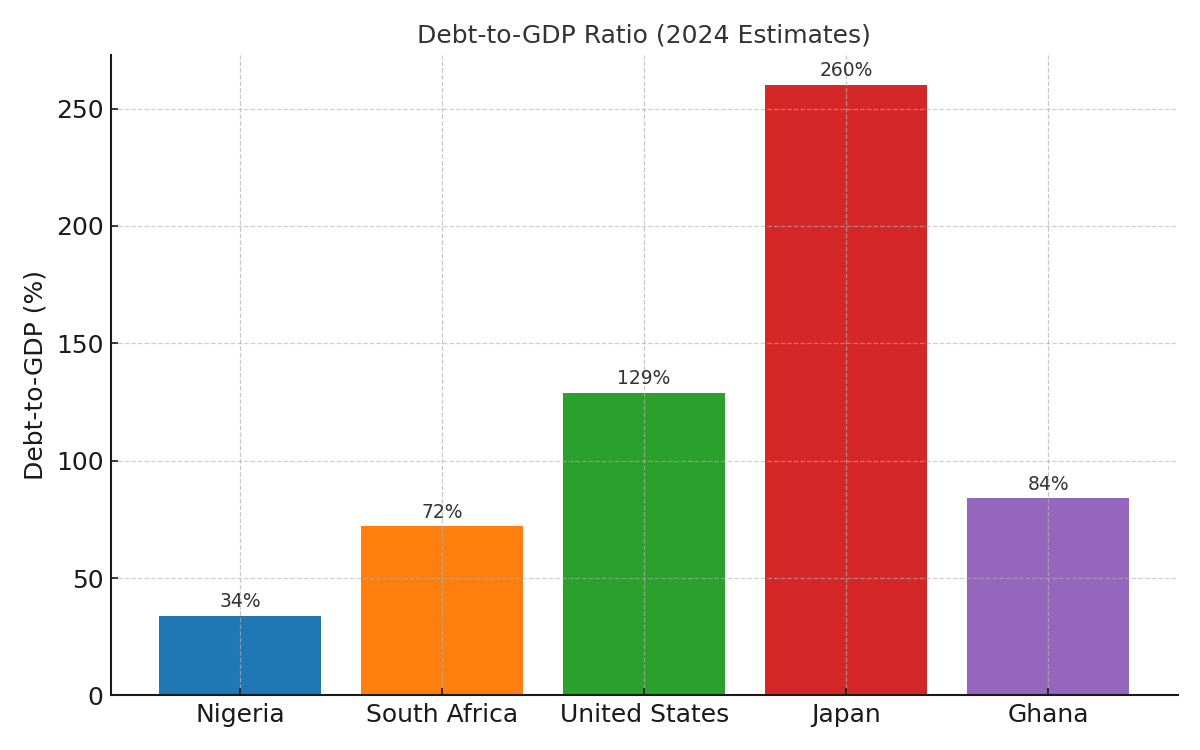
Tajudeen’s statement; “borrowing is not inherently bad” reflects macroeconomic realities: many advanced economies carry large public debts but generate returns when borrowed funds are invested productively. The key is return on investment (ROI) and debt sustainability.
Risks and Criticisms
Despite the potential benefits, critics raise legitimate risks:
Rising debt servicing costs
Debt servicing absorbs a significant portion of federal revenue, constraining spending on development and social services. Observers caution that high servicing costs can crowd out priority spending.
Misallocation and corruption
Loans invested in non-productive projects or lost to mismanagement worsen fiscal outcomes. Strong procurement rules and oversight are essential to prevent waste.
Exchange rate and exposure risks
Heavy reliance on external debt can expose Nigeria to exchange rate volatility and foreign currency servicing risks particularly when local revenue is predominantly in naira.
Mitigation Measures Advocated
To address these risks, Tajudeen and supporters propose several mitigation approaches:
- Public-Private Partnerships (PPP): Leverage private capital for infrastructure projects to reduce public borrowing needs.
- Revenue mobilization reforms: Strengthen tax collection and broaden the non-oil revenue base.
- Transparent reporting: Full disclosure of loan terms, project usage, and independent project audits.
- Project prioritization: Focus borrowing on investments with measurable economic returns.
Political Implications
The Speaker’s public backing strengthens the Executive-Legislature alignment on economic policy and sends a reassuring signal to markets and potential lenders. It could facilitate quicker approval for loan requests and project financing in the near term.
However, political alignment does not eliminate the need for independent oversight, civil society, auditors and parliamentary committees must ensure accountability.
Expert Reactions
Views among economists and policy experts are mixed:
- Pro-borrowing analysts argue that strategic borrowing for infrastructure is essential to close critical gaps and will pay dividends through higher growth.
- Fiscal hawks warn that without increased revenue and stronger controls, borrowing will raise long-term vulnerability.
- Civil society groups call for full transparency and for loans to be tied to measurable outcomes and anti-corruption safeguards.
Recommendations: A Balanced Approach
To maximise benefits and reduce risks, the following recommendations are warranted:
- Borrow only for projects with clear economic returns and measurable metrics.
- Strengthen public procurement and independent audit functions.
- Accelerate revenue reforms to build fiscal buffers.
- Use blended finance and PPPs where possible to reduce the public borrowing burden.
- Publish regular updates on loan utilization and project impacts.
Speaker Abbas Tajudeen’s endorsement of President Tinubu’s borrowing policy signals firm legislative support for a borrowing-led strategy to finance infrastructure and social programmes. While borrowing can be a powerful tool for development, its success depends on prudent project selection, rigorous oversight, enhanced revenue mobilisation and transparency. The coming months will be crucial in translating pledged funds into tangible outcomes for Nigerians.