





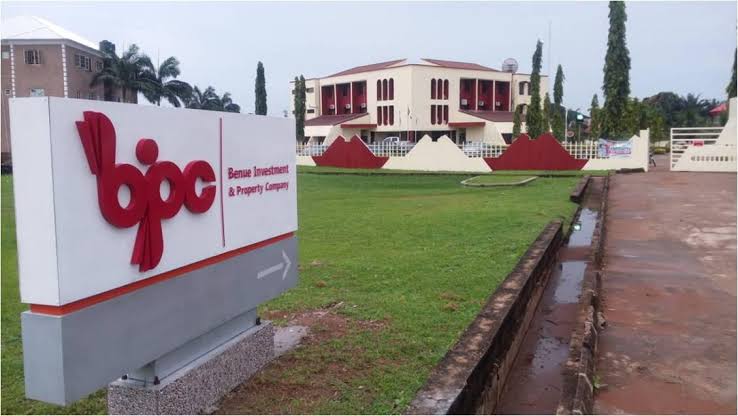
Incorporated on 18 October 1979 and commencing operations in March 1980, the Benue Investment and Property Company (BIPC) has played a central role in mobilizing resources and driving development for Benue State. From an initial share capital of ₦5,000,000 the company now reports an asset base in the multi‑billion naira range. This article provides an in‑depth, policy‑compliant exploration of BIPC’s history, mandate, growth, sectoral contributions, challenges, and path toward its 2030 vision.
Historical Foundation and Capital Milestones of BIPC
BIPC was incorporated as a limited liability company on 18 October 1979 and began operations in March 1980. It is fully owned by the Benue State Government. At inception the company had a share capital of ₦5,000,000. The capital base was increased to ₦20,000,000 in 1992 and later to ₦50,000,000 in 2002. As of that last restructuring, the ownership breakdown was:
| Shareholder | Amount (₦) | Notes |
|---|---|---|
| Benue State Government | 30,000,000 | Majority shareholder |
| Benue Properties Company | 1,000,000 | Institutional equity |
| Unallocated/For further subscription | 19,000,000 | Reserved for future allocation |
Current asset base: The company today has an asset base with a market value in excess of ₦18,000,000,000. This transformation from ₦5 million to multi‑billion naira assets reflects decades of strategic investment and reinvestment in the real sector and services.
Vision, Mission and Investment Mandate
Vision: To be the leading investment company in North‑Central Nigeria by the year 2030.
Mission: To drive economic development by promoting, managing and investing in real sector and service projects that maximize stakeholders’ value.
BIPC’s Investment Mandate; Practical Breakdown
BIPC’s mandate operationalizes the vision through targeted investment priorities. These include:
- Mobilizing funds for the investment and development programmes of the State.
- Acting as a catalyst for the speedy economic development of Benue State.
- Engaging in portfolio investment and capital market activities.
- Investing in real estate and infrastructural development.
- Providing tourism and hospitality services.
- Offering business advisory and management consultancy services to government and entrepreneurs.
Asset Growth and Financial Footprint of BIPC
Visualising BIPC’s financial evolution helps stakeholders appreciate the scale and speed of growth. Below is a bar chart (asset growth):
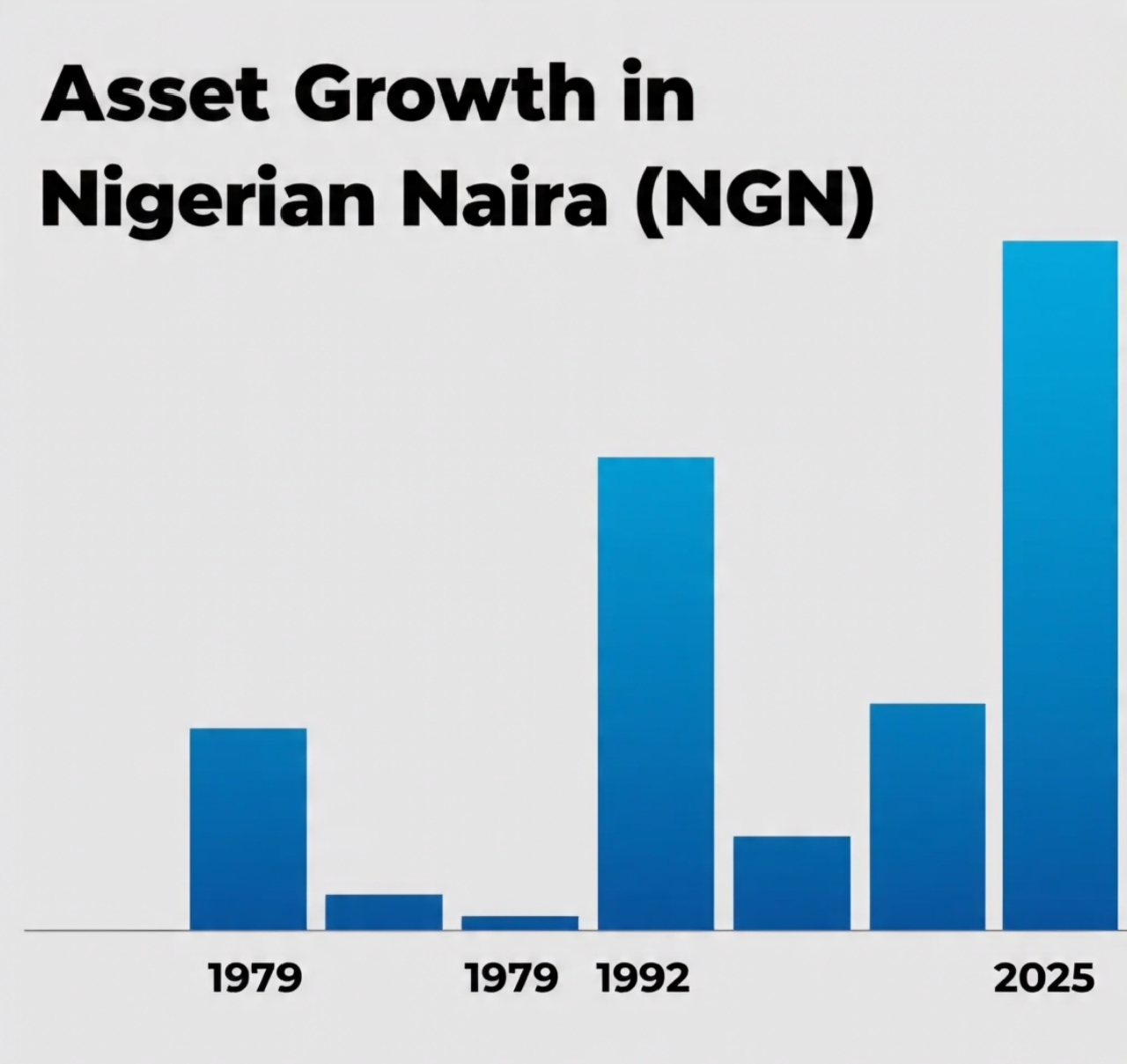
| Year | Share Capital (₦) | Comment |
|---|---|---|
| 1979 | 5,000,000 | Incorporation |
| 1992 | 20,000,000 | First major capital increase |
| 2002 | 50,000,000 | Restructuring; ownership breakdown created |
| 2025 (current) | — | Asset base market value ₦18,000,000,000+ |
Sectoral Contributions and Social Impact
BIPC’s activities cut across multiple sectors. The following sections combine narrative to explain the impact.
a) Real Estate and Housing
Real estate is one of BIPC’s core pillars. Investment in residential estates, commercial buildings and mixed‑use developments contributes to urbanisation and housing supply. Real estate returns also provide steady rental income and capital gains that BIPC can reinvest.
b) Infrastructure and Industrial Support
BIPC funds and facilitates infrastructural projects access roads, market complexes, small industrial clusters and public facilities. These interventions lower transaction costs for businesses and improve access to markets for rural farmers.
c) Tourism and Hospitality
Benue State’s cultural festivals, natural attractions and agrarian identity lend themselves to tourism. BIPC invests in hotels, resorts and conference facilities to capture tourism revenue and create associated jobs.
d) Capital Market and Portfolio Investments
Through targeted equity and bond investments, Benue Investment and Property Company (BIPC) generates financial returns and diversifies income. These investments stabilise revenue flows and reduce dependence on irregular government allocations.
e) Advisory and Consultancy Services
BIPC provides business advisory services to government ministries, agencies and private enterprises helping shape public‑private projects, advising on project structuring, and supporting entrepreneurship initiatives across the state.
Impact Summary Table
| Impact Area | Mechanism | Outcome / Example |
|---|---|---|
| Job Creation | Construction, hospitality, operations | Thousands of direct and indirect jobs |
| Revenue for Government | Dividends, taxes, land leases | Improved fiscal capacity |
| Urban Development | Property development & public facilities | Reduced housing deficit; better commercial spaces |
| Entrepreneurial Support | Advisory services & partnerships | SME growth and capacity development |
Operational Challenges
No state‑owned enterprise operates without constraints. BIPC faces several structural and environmental challenges that can be grouped into internal and external categories.
Internal Challenges
- Capital Adequacy: Financing mega‑projects often exceeds available internal funds.
- Governance & Continuity: Political transition can affect strategic continuity and board composition.
- Operational Efficiency: Bureaucratic processes may slow project delivery.
External Challenges
- Macroeconomic Volatility: Inflation and exchange rate shocks can erode returns.
- Competitive Market: Private developers and investment companies compete for projects and financing.
- Regulatory Uncertainty: Changes in land policy or taxation regimes can impact project feasibility.
Strategic Opportunities Toward 2030
With its 2030 vision, Benue Investment and Property Company (BIPC) can pursue a set of strategic opportunities that both mitigate risks and accelerate impact.
a) Public‑Private Partnerships (PPPs)
Partnering with private capital for greenfield and brownfield projects reduces financing gaps and leverages operational expertise. PPPs can be structured for roads, housing estates, and hospitality projects.
b) Digital Transformation
Adopting property management platforms, investor portals, and digital leasing systems improves efficiency, transparency and tenant experience.
c) Green & Sustainable Investments
Investments in renewable energy, energy‑efficient buildings and sustainable agricultural storage facilities align with global financing trends and attract concessional funding.
d) Regional Expansion and Cluster Development
Extending operations into neighboring states and developing industrial clusters (agro‑processing hubs, logistics parks) would expand BIPC’s revenue base and regional influence.
Policy, Governance and Best Practices
To maximise impact and ensure sustainability, BIPC should consider a set of corporate governance and policy reforms:
- Independent Board Membership: Recruit experienced private‑sector professionals to improve strategic oversight.
- Transparent Procurement: Digitise procurement and publish tender outcomes to attract credible partners.
- Outcome‑Based KPIs: Track employment generated, revenue per project, and return on investment (ROI) rather than process metrics alone.
- Financial Prudence: Use blended finance models and maintain strict risk assessments before project approvals.
- Stakeholder Engagement: Regularly consult communities and local government councils before land acquisition and development.
Conclusion and Recommendations
BIPC’s journey from ₦5 million in 1979 to an asset base worth over ₦18 billion today underscores its potential as a key engine for Benue State’s development. The company’s investment mandate focusing on real sectors and service projects aligns well with the state’s need for infrastructure, housing, tourism and entrepreneurship support.
To achieve its 2030 vision and increase developmental impact, BIPC should consider the following prioritized steps:
- Strengthen Corporate Governance: Independent board members, performance‑linked management contracts and public reporting.
- Build a PPP Pipeline: Identify 3–5 bankable projects to attract private capital within 12 months.
- Launch Digital Platforms: Property management, investor portals and procurement transparency tools within 18 months.
- Pursue Green Finance: Target two pilot green projects (solar mini‑grid for estates; energy‑efficient public building) to access concessional funding.
- Enhance Stakeholder Communication: Publish annual integrated reports with clear social and financial KPIs.
With deliberate reforms, stronger partnerships and a focus on measurable outcomes, BIPC can realise its ambition of becoming the leading investment company in North‑Central Nigeria by 2030, delivering social benefits, fiscal returns and sustainable development.